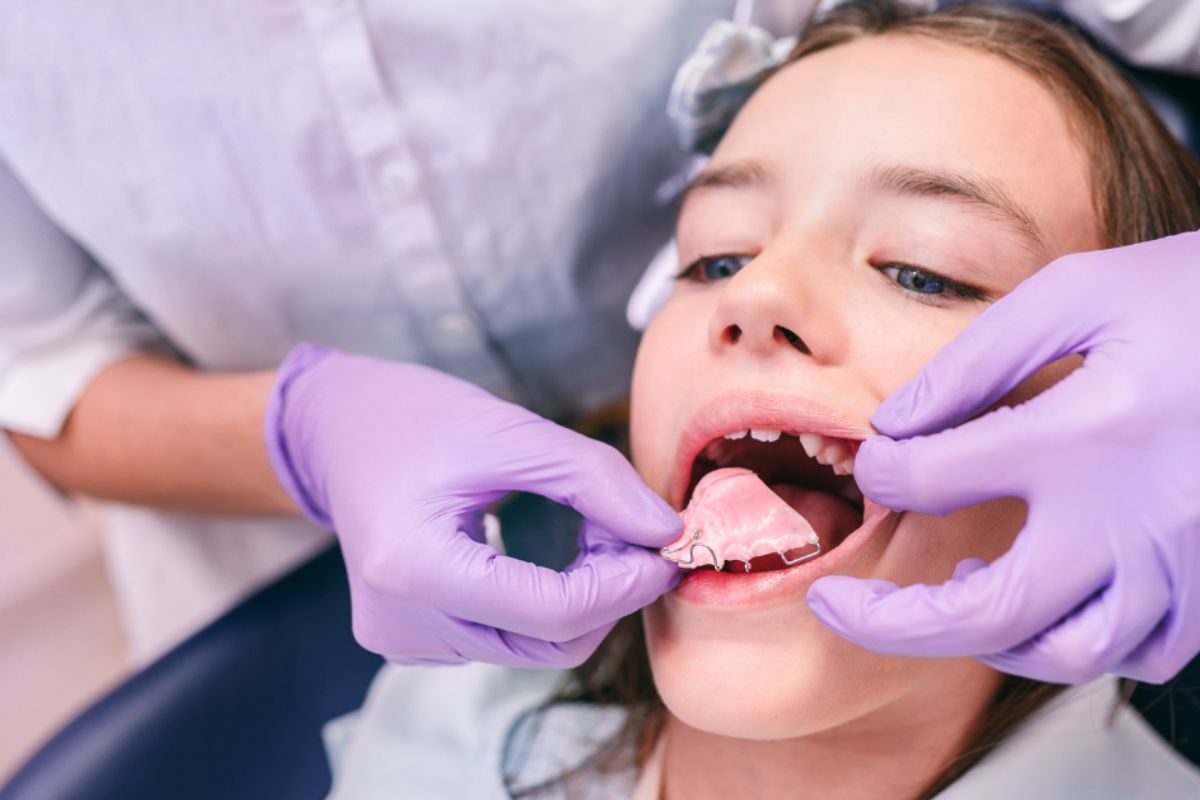
Loose retainers can be frustrating, especially after investing time and effort into orthodontic treatment. A loose retainer might not hold your teeth in place, potentially undoing months of progress. But don’t worry—this guide will walk you through practical steps to fix a loose retainer, address common concerns, and keep your smile on track. Whether it’s a slight wiggle or a major fit issue, we’ve got you covered with actionable tips and expert advice to restore your retainer’s function.
Understanding Why Retainers Become Loose
Retainers play a critical role in maintaining your teeth’s alignment post-orthodontic treatment. Over time, they can loosen due to several reasons:
- Wear and Tear: Daily use can stretch or warp materials, especially with plastic retainers like Hawley or Essix models.
- Improper Handling: Bending or twisting the retainer during cleaning or storage can alter its shape.
- Tooth Movement: Natural shifts in your teeth can cause the retainer to feel loose.
- Poor Cleaning Habits: Plaque buildup or improper care can weaken the retainer’s structure.
Identifying the cause is the first step to finding the right fix. Let’s dive into how you can address a loose retainer effectively.
Steps to Fix a Loose Retainer at Home
Before attempting any fixes, assess the severity of the looseness. Minor issues can often be resolved at home, but significant damage may require professional help. Here’s how to proceed:
Inspect the Retainer for Damage
Check for cracks, warping, or broken wires. Hold the retainer up to light to spot any structural issues. If it’s damaged, avoid forcing it back into shape, as this could worsen the problem.
Clean the Retainer Thoroughly
Dirt or plaque can affect fit. Soak the retainer in a non-alcoholic mouthwash or a retainer cleaning solution for 10–15 minutes. Gently brush it with a soft toothbrush to remove debris. A clean retainer may fit better and feel more secure.
Adjust Minor Misalignments
For Hawley retainers with wires, slight adjustments can sometimes restore fit. Use clean hands or pliers to gently bend the wire back into place. Be cautious—too much force can break the wire or distort the retainer further.
Test the Fit
After cleaning or adjusting, try wearing the retainer. If it feels snug and holds your teeth firmly, you may have resolved the issue. If it’s still loose, proceed to the next steps or consult a professional.
When to Seek Professional Help
Not all retainer issues can be fixed at home. If you’re in Broken Arrow, OK, retainers can be evaluated by skilled orthodontists who specialize in post-treatment care. Here’s when you should reach out:
- Significant Damage: Cracked or broken retainers often need replacement or professional repair.
- Persistent Looseness: If home fixes don’t work, your teeth may have shifted, requiring an orthodontic assessment.
- Discomfort or Pain: A loose retainer that causes soreness or irritation needs expert attention.
If you are searching for “orthodontist in Broken Arrow, OK”, a local specialist can assess your retainer and recommend solutions like adjustments, repairs, or a new retainer to ensure your teeth stay aligned.
Preventing Retainer Looseness in the Future
Prevention is key to avoiding loose retainers. Incorporate these habits into your routine:
- Proper Storage: Always store your retainer in its case when not in use to prevent bending or damage.
- Regular Cleaning: Clean your retainer daily with a soft toothbrush and lukewarm water. Avoid hot water, as it can warp plastic retainers.
- Consistent Wear: Follow your orthodontist’s instructions on wearing your retainer, typically nightly or as prescribed, to maintain fit and alignment.
- Routine Checkups: Regular visits to an orthodontist can catch potential issues early, ensuring your retainer continues to fit properly.
Trending FAQs About Loose Retainers
Here are answers to some of the most common questions people ask about loose retainers, based on popular Google searches:
- Why does my retainer feel loose?
A loose retainer could result from wear and tear, improper handling, or slight tooth movement. Cleaning or minor adjustments may help, but persistent looseness warrants a professional check. - Can I fix a loose retainer myself?
Minor issues like slight looseness can sometimes be fixed by cleaning or gently adjusting the retainer. However, significant damage or misalignment requires an orthodontist’s expertise. - How do I know if my retainer is broken?
Look for visible cracks, warped plastic, or broken wires. If the retainer doesn’t fit snugly or causes discomfort, it may be damaged and need repair or replacement. - What happens if I don’t fix a loose retainer?
A loose retainer may fail to keep your teeth in place, leading to shifting or misalignment. This could require additional orthodontic treatment to correct. - How often should I replace my retainer?
Retainers typically last a few years with proper care, but their lifespan depends on material and usage. Consult your orthodontist for guidance on replacement timing.
Additional Tips for Retainer Care
To keep your retainer in top shape, consider these extra tips:
- Avoid Harsh Chemicals: Steer clear of bleach or alcohol-based cleaners, as they can degrade the retainer’s material.
- Handle with Care: Remove and insert your retainer gently to avoid stretching or bending it.
- Stay Hydrated: Dry mouth can lead to plaque buildup, which affects retainer fit. Drink plenty of water to maintain oral health.
- Keep a Backup: If your orthodontist provides a spare retainer, store it safely in case your primary one becomes loose or damaged.
When to Consider a New Retainer
If your retainer is beyond repair or no longer fits due to significant tooth movement, a replacement may be necessary. New retainers are custom-made to fit your current dental alignment, ensuring optimal performance. An orthodontist can take new impressions or scans to create a retainer that feels comfortable and secure.
Maintaining Your Smile’s Long-Term Health
A loose retainer is a common issue, but it’s not insurmountable. By following the steps outlined—cleaning, adjusting, and seeking professional help when needed—you can restore your retainer’s function and protect your smile. Regular care and orthodontic checkups are essential to prevent future issues. With the right approach, your retainer will continue to support your confident, healthy smile for years to come.